Food Systems Innovation Summit

Overview
Food Systems Innovation Summit
The Summit Tracks
FSIS 2026 Features 5 Tracks
The Summit will feature five tracks, aligned to the theme, as follows:
Climate-Smart & Regenerative Agriculture
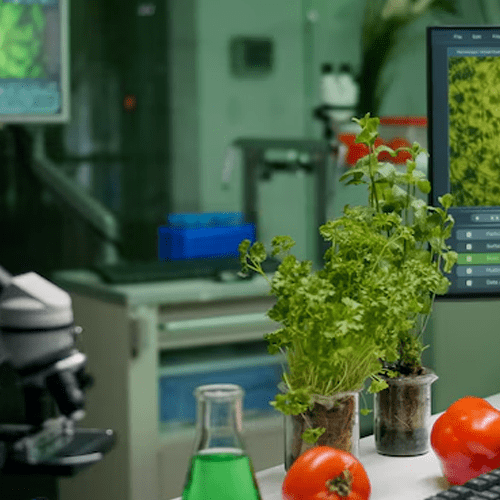
AgriTech, AI & Digital Agriculture

Value Addition, Agro-Processing & Manufacturing
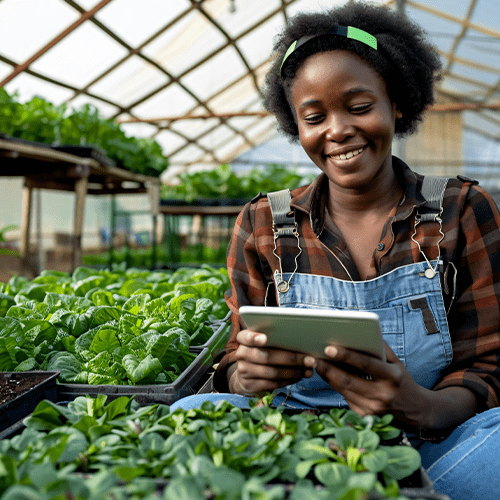
Market Access, Trade & AfCFTA Opportunities
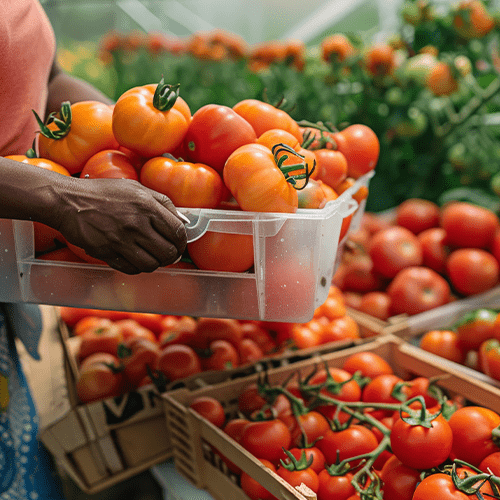
Green Finance, Climate Finance & Impact Investment

Tentative
Summit Agenda
Day 1 focuses on idea exchange and networking through keynotes, thematic panels, and workshops aligned to five critical innovation tracks (detailed in the next section). Interactive formats will dominate; rather than long lectures, sessions will use moderated panels, Q&A, breakout discussions, and participatory “fishbowl” dialogues to maximize engagement.
A parallel deal room service will facilitate direct conversations: for example, a horticulture cooperative might meet a produce exporter, or a solar dryer startup might connect with a microfinance fund.
The exhibition runs throughout, providing a marketplace of ideas and technologies; participants can learn from exhibits ranging from AI crop disease diagnosis demos to new value-added products from indigenous crops.
Day 2 shifts to synthesizing and celebrating outcomes. A morning plenary will capture insights across tracks, ensuring that the silos of Day 1 merge into a cohesive roadmap. Next, the spotlight turns to entrepreneurs: a curated set of startups and MSMEs will pitch in front of investors and an audience. This event-within-event serves to mobilize financing and partnerships on the spot; an approach that in 2025 led to at least 10 ventures securing partnership or investment leads. Finally, the summit concludes with high-level reflections and awards, leaving participants energized and committed to action.
To directly translate the Summit outcomes into policy action, GIW2026 will host a high-level “Executive Breakfast” on the morning of Oct 29 (Day 2). This early meeting (by invitation) would gather national and county policymakers, top donors, and industry captains in an informal setting. Over breakfast, the GIW organizers will present a brief on interim findings from Day 1 and key policy recommendations (e.g. ideas for innovation-friendly regulations, funding support, or public-private partnership models identified in the discussions). This format allows decision-makers to respond to ideas and possibly make on-the-spot commitments in a closed setting before the public closing ceremony. For instance, a county governor might commit to budget for an innovation hub, or a Ministry official might pledge to champion certain regulatory changes, when prompted in a small forum. The presence of development partners can add incentive (e.g. a donor could signal funds available if the government co-invests). The breakfast ensures that by the time the Summit ends, there is already policy traction and it avoids overloading the main agenda with lengthy policy dialogues. It’s a minimal-addition event (just catering and a room needed) but can greatly increase GIW’s influence on policy and resource allocation.
GIW2026 will host an expanded Food & Innovation Fair open to the public. This fair would likely be on Day 1 afternoon into early evening, at the Summit venue grounds. It combines a food festival (street food and indigenous cuisine showcase by local vendors) with an innovation bazaar (startup booths, tech demos, farmers’ market stalls). The fair would be a vibrant, less formal extension of the Summit; allowing the general public, families, and school groups to engage with GIW. Attractions could include: a “climate-smart kitchen” competition where local chefs prepare dishes from indigenous crops, product launches by agro-processors (e.g. new jam or yogurt product tasting), and interactive demo stations (like a drone flying area or a mobile soil testing lab for farmers). By inviting the broader community, this fair increases public buy-in and awareness, and provides additional exposure for participants’ innovations. It also does not conflict with core sessions, as it runs in parallel to late-day workshops or after formal panels, utilizing outdoor space. The Fair can be sponsored by food companies or nutrition programs, offsetting costs.
Recognizing the interest of the Kenyan diaspora in contributing back home, GIW2026 introduces a forum specifically to engage diaspora innovators and investors. This could be a virtual hybrid event during the week (e.g. an evening webinar that coincides with morning in North America), and/or a physical roundtable if enough diaspora attendees are present on location. The forum will highlight diaspora success stories in agribusiness, present opportunities to co-invest or mentor local startups, and discuss mechanisms like a Diaspora Challenge Fund (which GIW2025 conceptually proposed) or diaspora-led agritech mentorship sub-committee. By structuring a dedicated dialogue, GIW can harness diaspora expertise and capital systematically, rather than just through ad-hoc attendance. The output might be a diaspora network linked to GIW that continues year-round. This addition requires coordination (and possibly tech setup for virtual), but taps into an enthusiastic stakeholder group with high potential impact and no major duplication of other sessions
The Track, titled Community Wellness & Nutrition Access: Strengthening Human Capital for Food System Resilience, will take place at designated shaded grounds adjacent to the main university venue—ideally near the Street Kitchen Competition area for synergy. Tents, mobile clinics, and consultation booths will be set up in a fairground-style layout.
This track enhances the “nutrition security” aspect of the summit by offering free medical checkups, nutrition assessments and consultations to participants and the wider community. It directly aligns with the GIW’s goals to promote local food consumption, nutritional health and inclusive agrifood systems.
Daily Flow:
Wednesday, October 28, 2026
- 08:30 – 17:00: Full-day medical and nutrition services.
- 11:30 & 15:00: Short talks on “Healthy Eating from the Farm” and “Food as Medicine”.
- 12:30 – 14:00: Encourage summit attendees to drop in during lunch break.
Thursday, October 29, 2025
- 08:30 – 15:00: Services continue, plus prize giveaways for participation (e.g., nutrition quiz winners).
- 10:00 – 13:00: Community engagement games and music.
- 13:30 – 15:00: Final call for screenings. Feedback and impact testimonials recorded.
- 15:00 – 16:00: Short debrief with county health reps and nutritionists.